

26 – KARACAÖREN REEF

KARACAÖREN REEF:
Gemile adasının açığında Karacaören Koyu ve yanında da küçük bir ada vardır. Adanın üzerinde Bizans döneminden kalma manastır ve kilise harabeleri vardır. Boş vaktinizde gezmeniz tavsiye olunur. Karacaören Koyu sert batı rüzgârlarından korunmak için oldukça uygundur, dalıcılar suya girdikten sonra en iyi korunacağınız yer burasıdır. Dalıştan sonra koydaki restoranda bir şeyler içebilir veya tepelere çıkan patikalarda güzel bir yürüyüş yapabilirsiniz.
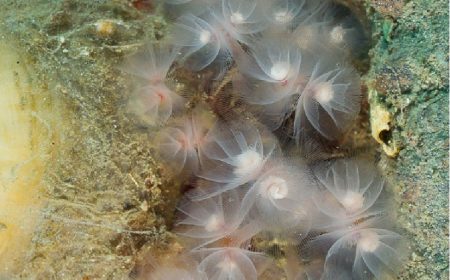
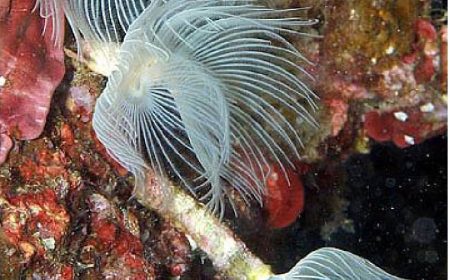
Karacaören Koyu’nun dışında 300m. mesafede bulunan burunda dalışa başlanır. Başlangıç oldukça sığ ve zemin otluktur. Pembe deniz tavşanları ve İspanyol dansözleri otların arasında fotoğrafçılar için iyi bir şanstır. İrili ufaklı lahos yavruları ve cüce balon balıkları dalış boyunca sizi takip ederler. 10-12m.leri geçip güneybatı yönünde ilerlediğinizde birdenbire önünüzde 150-200m. lere inen duvarı görürsünüz. Mavilik adeta sizi çağırır, kollarınızı açın ve 30 m.lere kadar kuşlar gibi uçun. İlerledikçe duvarın tepe noktaları da derinleşir. Duvarı solunuza alıp 50-60m. gittikten sonra artık platoya dönme zamanıdır. Sığlıkları solunuza alarak karaya doğru yaklaşın ve emniyet beklemenizi yapıp yüzeye çıkın.
Süre: 50—55dk
Her seviyede dalıcıya uygundur
Fotoğraf makro.
36.32.368N 029.03.207E
KARACAÖREN REEF:
Karacaören Bay is a small bay with a small island next to it and located near Gemile Island. Gemile island hosts the ruins of monasteries and churches from the Byzantine period. It is well worth a visit in your spare time. Karacaören Bay is very suitable for protection from harsh western winds and where you will be best protected entering or exiting the water. After the dive, you can have a drink at the restaurant situated in the bay or take a nice walk behind it on the paths leading up around the hills.
The dive starts from a small cape located 300 metres outside Karacaören Bay. The beginning is quite shallow and the ground is grassy. It is a good chance for photographers to see blue Felimare nudibranchs and others amongst the grass and rocky outcrops. Large and small groupers and Yellow spotted puffers will follow you throughout the dive. When you go deeper than 10-12m and move towards the southwest, you will suddenly see the wall that descends to 150-200 m. The blue colour virtually calls you; open your arms and fly like birds down to 30 metres. As you head along the top of the wall, it starts to deepen. It is time to go back to the plateau and continue going for 50-60 metres over the gently sloping rocky bottom. Search under and around the rocks for morays and octopuses. Then head towards the shallows (8-10m) make your safety stop, and surface.
Duration: 50—55min
Suitable for divers of all levels
Photo: macro.
36.32.368N 29.03.207E